
Hair Shedding After Surgery or a Hospital Stay: What to Expect
Quick answer: Some people notice more hair falling out a few months after an operation or a stay in hospital. The American Academy of Dermatology (AAD) lists undergoing an operation among the stressors linked to excessive hair shedding, known medically as telogen effluvium. Most people notice it a few months after the event. As the body readjusts the shedding usually stops, and the AAD says hair tends to regain its normal fullness within six to nine months. If shedding is heavy, patchy or does not settle, see a doctor.
Why hair can shed after an operation
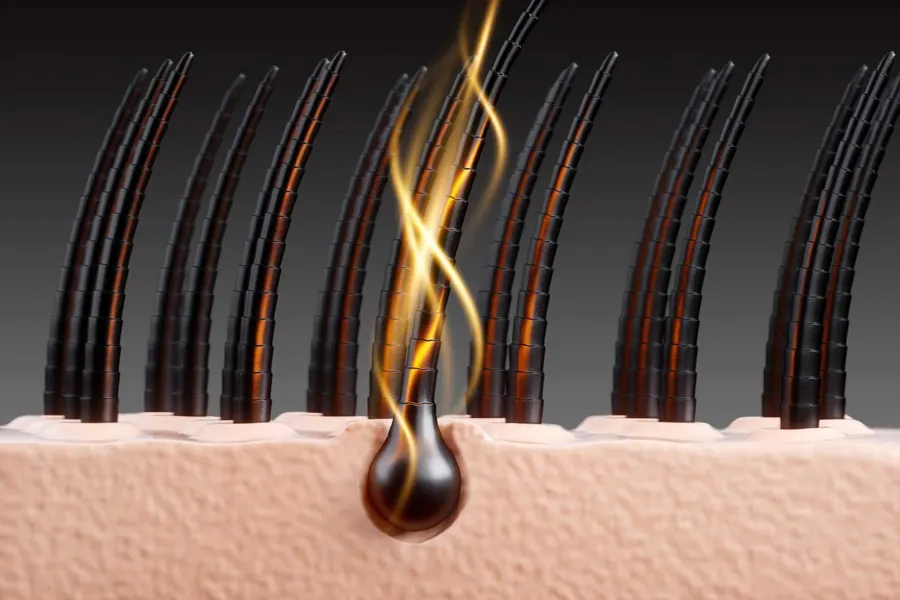
Each hair on your scalp goes through a cycle of growing, resting and falling out, and at any one time most hairs are in the growing phase. A big physical stress, such as an operation, a high fever or a serious illness, can push more hairs than usual into the resting phase at around the same time. Those hairs then fall out later, which is why the extra shedding often appears weeks or months after you have started to feel better. The medical term for this is telogen effluvium. It is shedding, which is different from hair loss where something stops the hair from growing.
What the AAD says about timing
The AAD notes that it is normal to shed between 50 and 100 hairs a day. Its list of stressors linked to excessive shedding includes undergoing an operation, recovering from an illness (especially one with a high fever), losing a lot of weight and going through a lot of stress. Most people notice the shedding a few months after the stressful event. As the body readjusts, the excessive shedding stops, and within six to nine months the hair tends to regain its normal fullness. If the stressor continues, for example ongoing illness or stress, the shedding can last longer. Our guide on how much hair loss per day is normal can help you judge what you are seeing.
Other things around a hospital stay that may play a part
An operation rarely happens on its own. The illness that led to it, a fever, weight loss while you recover, new medicines and the worry of being in hospital can all add to the strain on the body. If you think a medicine may be involved, talk to your doctor rather than stopping it yourself; the AAD warns that serious side effects can occur if you stop a treatment or drug suddenly. Shedding after a fever follows a similar pattern, which we cover in hair loss after Covid or fever.
Gentle hair care while it settles
While the extra shedding settles, keep your routine simple. Use a mild shampoo, comb gently from the ends upwards, and avoid tight ponytails, buns and harsh chemical treatments such as bleaching or rebonding until your scalp and hair feel normal again. Keep heat styling low. Eat regular, balanced meals as you recover, following any diet advice from your doctor or dietitian. Taking a photo of your parting or crown in the same light each month makes it easier to see the trend, because day to day shedding can feel worse than it is.
When to see a doctor
See a doctor if shedding carries on for many months, if you notice round, smooth bald patches, if your scalp is sore, red or scaly, or if you feel unwell. These are not typical of shedding after surgery. Gradual thinning at the crown, hairline or parting that started before your operation may be pattern hair loss, which shedding can make more noticeable. Our article on whether hair grows back after falling out explains the difference.
At Folli-Doc
If shedding is sudden, patchy or comes with feeling unwell, see a doctor first, and do not stop any medicine without medical advice. For gradual thinning at the hairline, crown or parting, a free consultation with an AI scan at Folli-Doc can show what your scalp and density look like now, and you can ask about Simulation & Stimulation. Book at KL Gateway Mall (HQ), Penang or Sibu via contact.
Frequently asked questions
Can surgery cause hair loss?
It can be linked. The AAD lists undergoing an operation among the stressors that can lead to excessive hair shedding, called telogen effluvium. This is shedding rather than hair being unable to grow, and it usually stops as the body readjusts.
How long after surgery does hair shedding start?
According to the AAD, most people notice excessive shedding a few months after the stressful event rather than straight away. That delay is why many people do not connect it with the operation.
Will my hair grow back after shedding from surgery?
For many people it does. The AAD says the excessive shedding stops as the body readjusts and hair tends to regain its normal fullness within six to nine months. If shedding continues or you see bald patches, see a doctor.
Can a hair care centre tell me why my hair is shedding?
No. Only a doctor can look into medical causes. A scalp scan can show what your scalp and hair density look like now, which can be a useful record once medical causes have been checked.
Folli-Doc at a glance
- Folli-Doc technology is from Europe and used in 32 countries
- FDA & NPRA certified
- Exclusive rights for Malaysia & Singapore
- Simulation & Stimulation, our newest technology, is 80% cheaper than hair transplant
- Also offered: hair transplant and SMP
- Free consultation & AI scan; team led by Dr. Steven Goh (6 years’ experience)
Talk to Folli-Doc
Free consultation & AI scan. 11am to 7pm, by appointment only. Branches: KL Gateway Mall (HQ), Penang (at Love Your Hair Studio) and Sibu.
Book free consultation on WhatsApp
Related reading
- Why Does Hair Fall Out After COVID or a High Fever?
- How Much Hair Loss Per Day Is Normal?
- Will My Hair Grow Back After It Falls Out?
- Hair Loss Causes: Types, Triggers & When to Get Help
- Hair loss library: Causes of hair loss
Reviewed by the Folli-Doc team, led by Dr. Steven Goh (6 years’ experience in hair density treatment). This article is general information, not a medical diagnosis; for sudden, patchy or painful hair loss, see a doctor or dermatologist.