
Journal · SMP (scalp micropigmentation)
What Is Scalp Micropigmentation (SMP)?
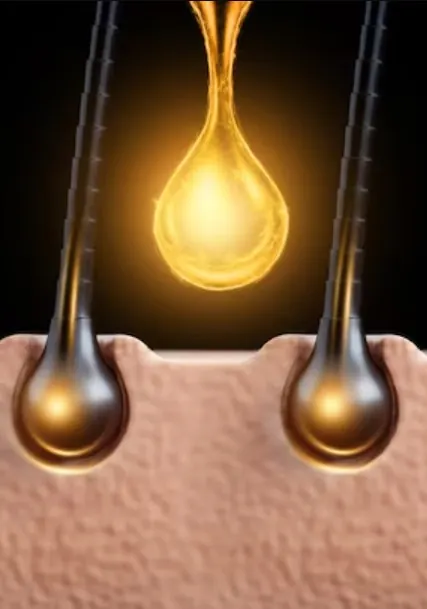
Quick answer: Scalp micropigmentation (SMP) is a cosmetic procedure that places tiny dots of pigment in the scalp to mimic the look of short hair follicles or add the appearance of density; it does not grow hair and is semi-permanent, fading over years.
How it works
A trained practitioner deposits pigment in small dots across the scalp over one or more sessions.
Who considers it
People who like a shaved look, those with scars, or those with thinning who want darker-looking density.
Read more
See our SMP in KL guide.
At Folli-Doc
Folli-Doc offers hair transplant and scalp micropigmentation (SMP) as well as Simulation & Stimulation, our newest technology; at a free consultation (worth RM199) we help you choose the option that suits you.
Frequently asked questions
Is SMP a tattoo?
It is often called a hair tattoo, but uses specialised techniques.
Does it grow hair?
No.
Does Folli-Doc offer SMP?
Yes. Folli-Doc offers SMP, and also Simulation & Stimulation, our newest technology, which adds a fuller look in 3–4 hours.
Folli-Doc at a glance
- Simulation & Stimulation: our newest technology, one session of 3–4 hours
- 85–99% fuller-looking hair on the same day
- Results can last 24–48 months
- FDA & NPRA certified; technology from Europe, used in 32 countries
- Exclusive in Malaysia & Singapore; 8,000+ clients
- Also offered: hair transplant and SMP
Talk to Folli-Doc
Free consultation & AI scan (worth RM199). 11am–7pm daily, by appointment only. Branches: KL Gateway Mall (HQ), Penang (Love Your Hair Studio) and Sibu.
Book free consultation on WhatsApp
Related reading
- Scalp Micropigmentation vs Hair Transplant: What Is the Difference?
- Why Do Some People Regret Scalp Micropigmentation?
- Considering SMP in Selangor or KL? Questions to Ask First
- Can Women Have Scalp Micropigmentation?
- Hair loss library: SMP (scalp micropigmentation)
Reviewed by the Folli-Doc team, led by Dr. Steven Goh (6 years’ experience in hair density treatment). This article is general information, not a medical diagnosis; for sudden, patchy or painful hair loss, see a doctor or dermatologist.